
What Makes a Bathroom Faucet Truly “Best”?
The strongest choice is not a universal winner. It is the faucet whose geometry, controls, finish, water delivery and service plan all fit the room it is being asked to serve.
A beautiful faucet can still be the wrong faucet. If its stream lands near the back wall of the basin, if a tall body collides visually with a low mirror, or if the controls become awkward to clean, the specification has failed before brand reputation even enters the conversation.
That is why this guide does not crown a single model. “Best” changes with the basin, the people using it, local water conditions, expected traffic, power availability and the owner’s appetite for maintenance. A powder room rewards a different set of qualities than a family bathroom; a hotel suite differs from a public washroom; and an accessible lavatory must be evaluated as a complete user environment.
This approach is consistent with the site’s standards-aware definition of “best” and its broader bathroom-faucet research hub.
Begin with the room—not the logo
The most useful comparison starts with the job the faucet must do. These project conditions quickly narrow an overwhelming market into a manageable field.
Where will the water land?
Coordinate spout reach and outlet height with the bowl’s usable area. The stream should arrive comfortably away from the back wall and drain without creating excessive rebound or splash.
How will people operate it?
Lever, cross handle, touch activation and touchless sensing offer different experiences. Consider dexterity, unfamiliar users, cleaning routines and whether temperature control belongs at the faucet or upstream.
Who will maintain it?
A private homeowner may accept occasional battery replacement. A hotel or facility team may prioritize above-deck access, common parts, diagnostics and a clearly documented service path.
Different bathrooms create different definitions of “best”
| Bathroom context | Prioritize | Watch carefully | Likely direction |
|---|---|---|---|
| Compact powder room | Proportion, quiet operation, easy wiping | Spout projection and mirror clearance | Compact single-hole or restrained wall-mount |
| Primary bathroom | Daily comfort, intuitive temperature control, repairability | Handle clearance and finish compatibility | Single-handle, widespread or well-integrated touchless |
| Vessel-basin vanity | Outlet height, reach and splash control | Excessively tall faucets and shallow bowls | Vessel-height deck mount or precisely coordinated wall mount |
| Hospitality guest bath | Visual identity, universal usability, housekeeping access | Specialized parts and confusing controls | Durable manual fitting or discreet sensor faucet |
| Public or workplace washroom | Touch-free use, shutoff reliability, service access | Power planning, sensor commissioning and vandal resistance | Commercial sensor faucet or coordinated wash system |

Coordination is more than matching color
A coordinated faucet and soap dispenser should align in silhouette, scale, finish character and activation experience. Matching “brushed gold” labels do not guarantee that two unrelated products will share the same hue or sheen under project lighting.
Integrated sets can create a calmer vanity and simplify sourcing, but the specification still needs separate answers for faucet power, soap reservoir location, refill access and compatible soap viscosity. The visual pair is only successful when both systems can be maintained.
- Compare physical samples under the actual lighting temperature.
- Coordinate centerlines with the basin and backsplash joints.
- Confirm that soap refilling does not require disruptive counter access.

Wall-mount elegance requires earlier decisions
Wall-mounted fittings can make the countertop easier to clean and give a vanity a deliberate architectural rhythm. They also demand accurate rough-in depth, finished-wall coordination, a known basin elevation and a service strategy before tile or stone closes the wall.
Do not specify wall mount simply because it looks cleaner in a rendering. Confirm where valves, electronics and connections will live, how technicians reach them, and whether the outlet’s projection aligns with the selected bowl.
Manual, touch and touchless are not interchangeable
A conventional lever gives users direct control and remains the simplest fit for many homes. Touch activation can reduce the need to grip a handle while retaining intentional control. A true sensor faucet removes contact at the point of use and can limit run time, but introduces power, sensor-zone and solenoid considerations.
In a private bathroom, the value of touchless operation is often convenience and cleanliness. In a busy shared washroom, predictable activation, timeout behavior, vandal resistance and service access matter more than novelty. For a deeper distinction between categories, see Sensor Faucets vs Digital Faucets.
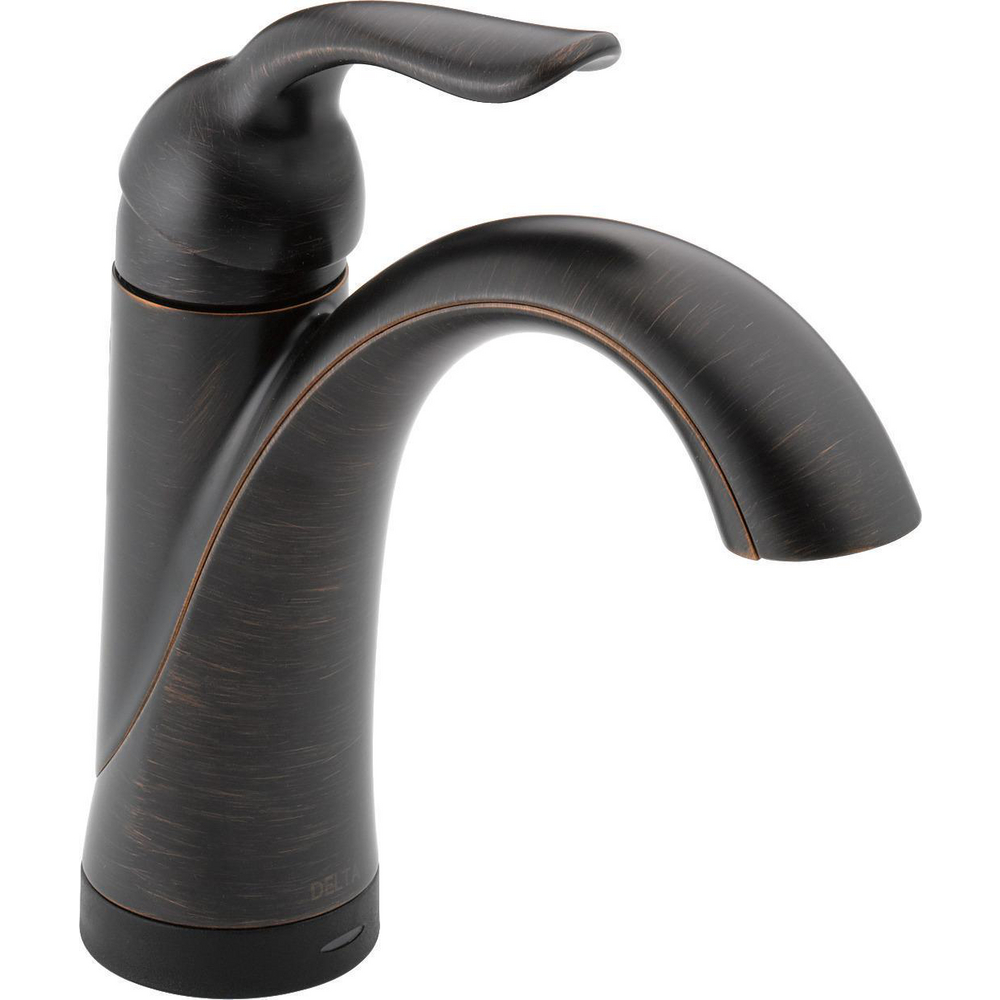
Touch activation for a residential setting
The Lahara Touch2O model illustrates a control approach between a conventional handle and fully automatic sensing. Evaluate it for intentional activation, user familiarity and compatibility with the room’s finish palette.
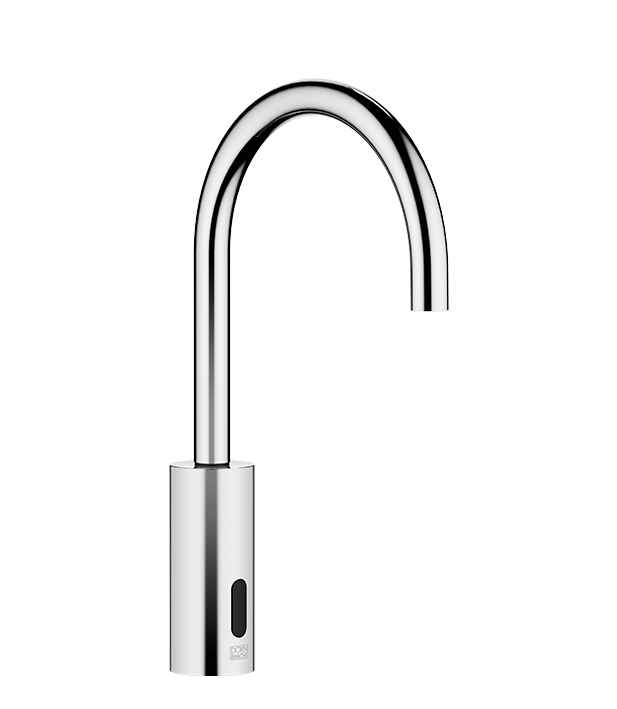
Architectural minimalism with hidden complexity
This wall-mounted touch-free fitting shows how sensing can be visually restrained. Its value depends on disciplined rough-in coordination and access planning as much as on the exposed trim.
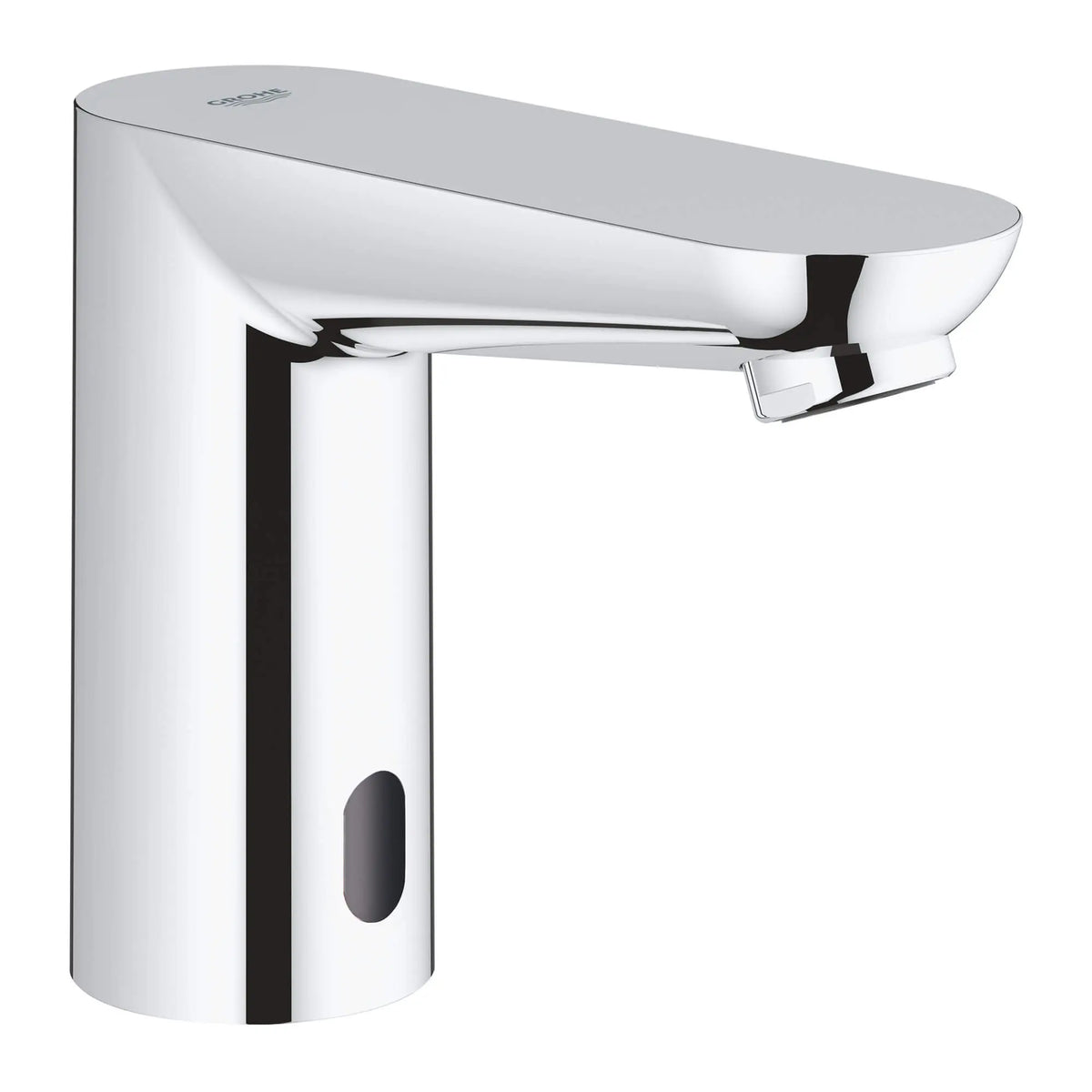
Compact infrared control
A concise sensor form can suit hospitality and shared washrooms where clear activation and an easy-to-read silhouette are important. Verify the exact power and mixing configuration for the selected variant.
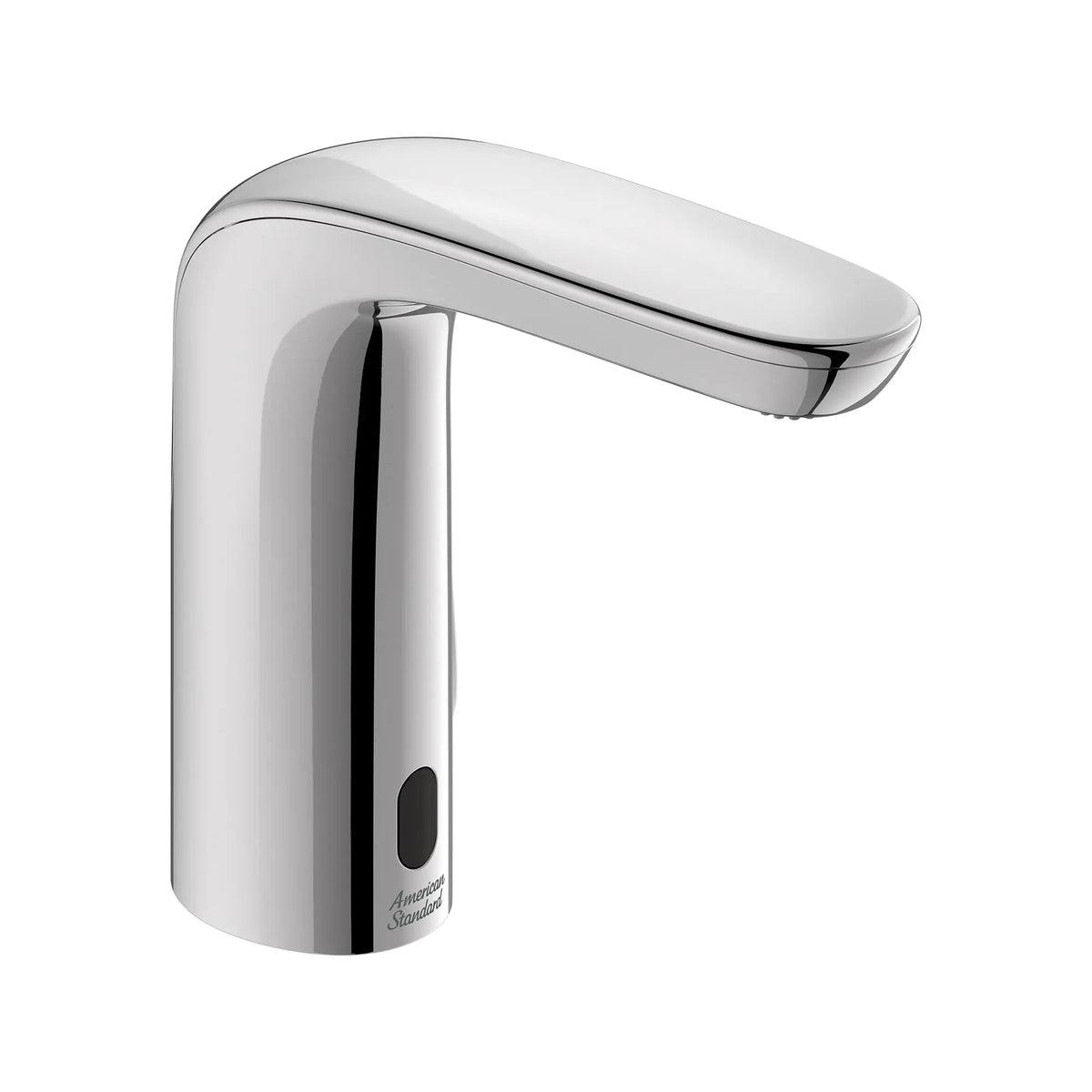
Above-deck service thinking
The NextGen Selectronic family is a useful reference when service access and configurable operation are central to the brief. Confirm which power kit, mixing approach and options are included rather than assuming every pictured feature is standard.
Products worth studying—without pretending they solve the same problem
These examples are not a ranking and are not presented as equivalents. They illustrate different answers to form, sensing, serviceability and coordinated specification. Availability and specifications can change; consult current documentation before purchase or bid.
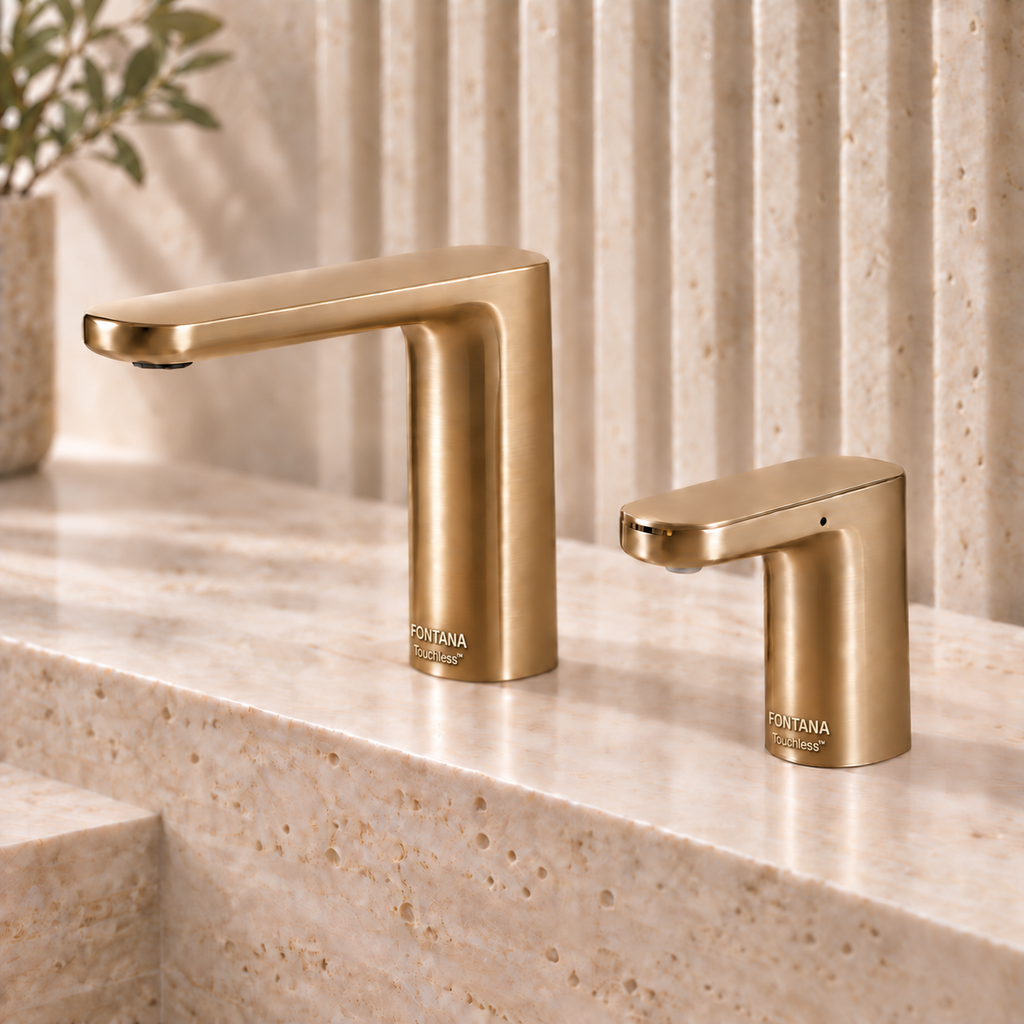
Coordinated visual language
A matched sensor faucet and soap dispenser can make an expressive finish feel intentional rather than applied piece by piece. Check component spacing, soap service access and the color consistency of the actual samples.

Commercial geometry with a familiar profile
This model is relevant where a project wants recognizable faucet proportions alongside sensor operation. Review its configuration, outlet and power details against the fixture schedule.
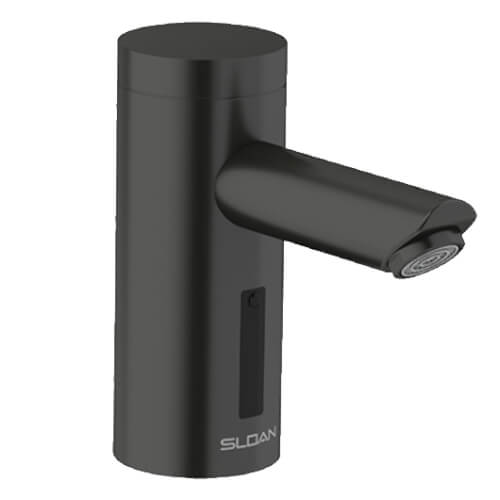
A commercial sensor benchmark
The Optima line belongs in discussions about high-use facilities, where control behavior, documentation and maintenance support carry substantial weight. Select the exact model around flow, power and mixing requirements.

Modular commercial specification
A product family with multiple options can help teams standardize while adapting power, flow and trim to specific rooms. That flexibility only helps when the schedule records the complete configuration.

Purpose-built washroom form
A clearly commercial fitting can be the right aesthetic when durability and legibility matter more than residential styling. Coordinate its reach, outlet and connections with the selected basin.
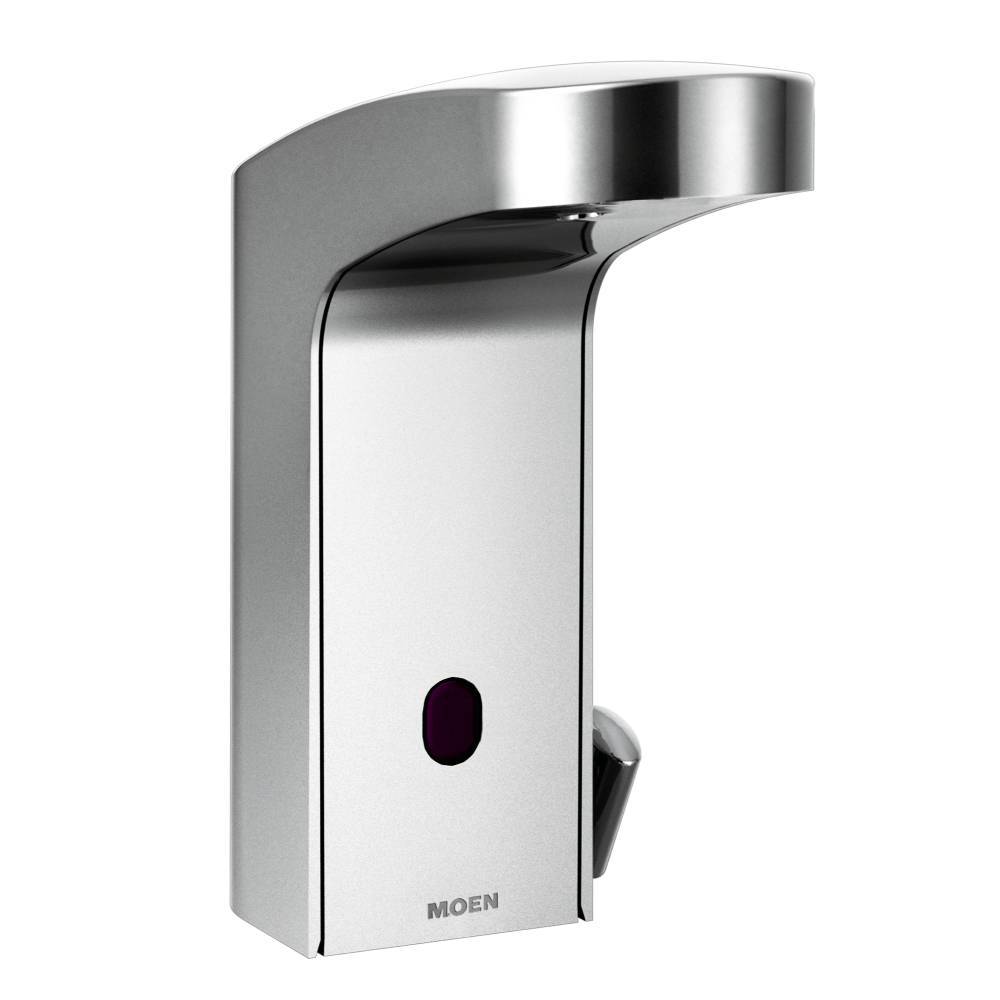
Sensor operation in a compact deck mount
The M‑Power example shows how a restrained deck-mounted form can integrate into many washroom palettes. Confirm manufacturer documentation and regional service support for the precise model under consideration.
A finish name is not a performance specification
Chrome, brushed nickel, matte black and warm metallic finishes describe appearance, not necessarily the coating process beneath it. Durability depends on substrate preparation, coating chemistry, cleaning products, exposure and quality control. Ask what the finish system is, what the warranty excludes and how replacement parts will match after years of use.
Hard water changes the equation. Mineral deposits are highly visible on dark and polished surfaces, while aggressive cleaners can damage coatings. In these environments, easy aerator access and a realistic cleaning protocol may contribute more to long-term satisfaction than a fashionable finish.
Do
- Order finish samples and view them beside tile, stone, mirrors and lighting.
- Read care instructions before approving housekeeping chemicals.
- Confirm the body, handle and accessories use compatible finish systems.
- Record replacement-part information in the owner’s manual.
Don’t
- Assume identical finish names from different brands will match.
- Select spout height without the basin’s final elevation.
- Hide valves or electronics behind inaccessible finishes.
- Treat a lifestyle photograph as a substitute for a dimensioned drawing.
The quiet details that prevent expensive mistakes
Before approval, compare the faucet drawing with the sink drawing at the same scale. Mark the stream location, backsplash clearance, deck thickness, hole spacing, supply arrangement and drain relationship. For electronic fittings, add power source, transformer location, cable route, shutoffs, mixing strategy and service access.
Questions worth asking before purchase
- Does the product page link to a current dimensioned drawing, installation guide and parts breakdown?
- Is the quoted flow measured at a stated pressure, and does it satisfy the applicable project requirements?
- Can the aerator, cartridge, battery or solenoid be reached without removing the sink or opening finished construction?
- For touchless models, who commissions sensor range and verifies behavior with the actual basin?
- Are certification, accessibility and code claims documented for the exact configuration—not merely the broader collection?
Shortlist by fit, then compare brands
Start with the basin drawing and the room’s operating conditions. Build a small shortlist of geometrically compatible faucets, then compare control method, finish system, water performance, documentation and service access. This order protects design intent while keeping the decision technically defensible.
Research references
- U.S. EPA WaterSense — Bathroom Faucets
- U.S. Department of Justice — ADA Standards for Accessible Design
- BestBathroomFaucets.com — research method and independence policy
- Linked manufacturer pages and current technical literature for the products illustrated above.