
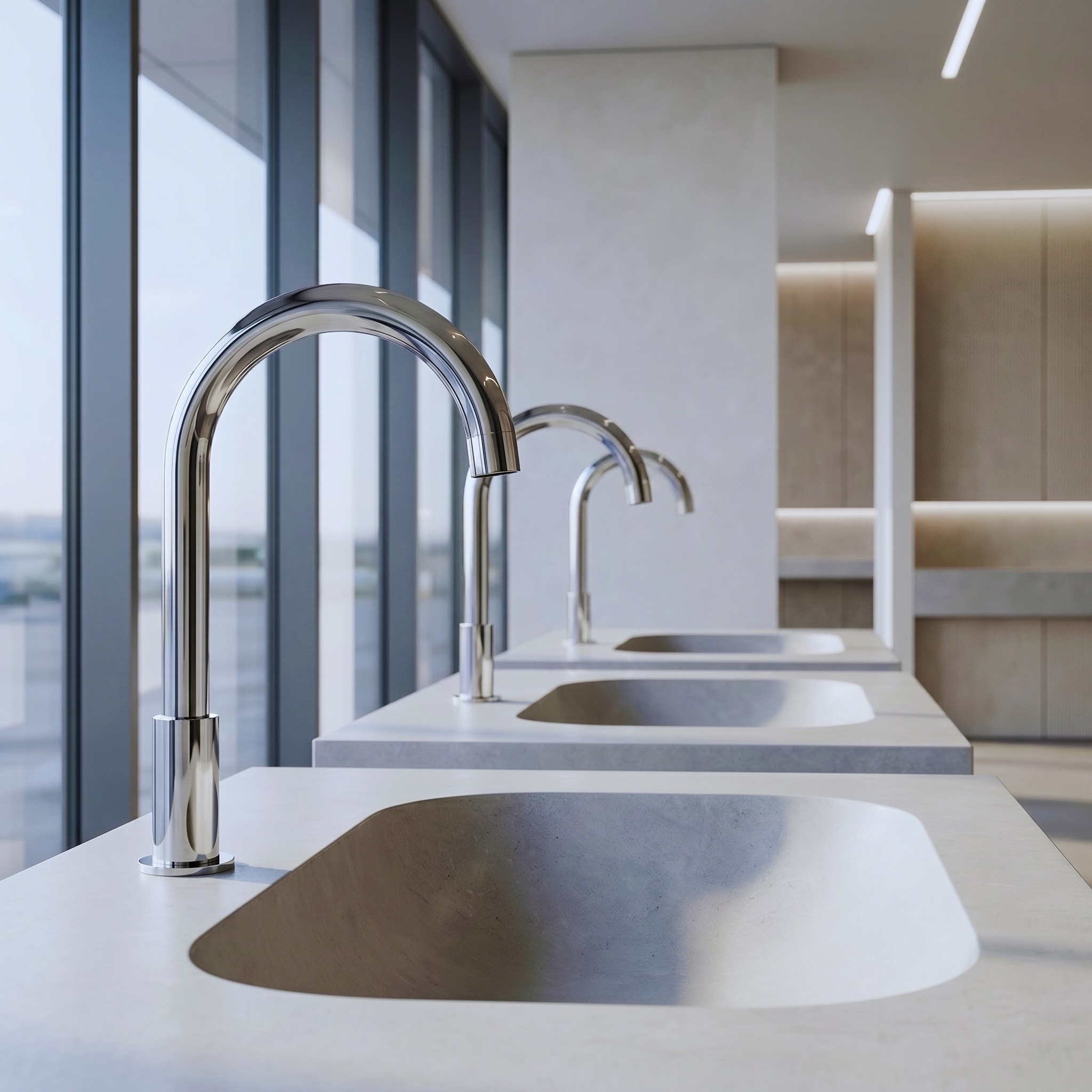
Fixtures for 24/7 Restrooms
Airports, arenas, theaters, stadiums, transit terminals, and transportation-centered buildings place constant pressure on restroom fixtures. This AEC page focuses on selecting faucets, soap systems, flush components, and wash-station assemblies engineered for continuous operation.
The goal is simple: specify fixtures that remain reliable, easy to clean, simple to service, and intuitive for the public during both steady daily use and sudden crowd surges.
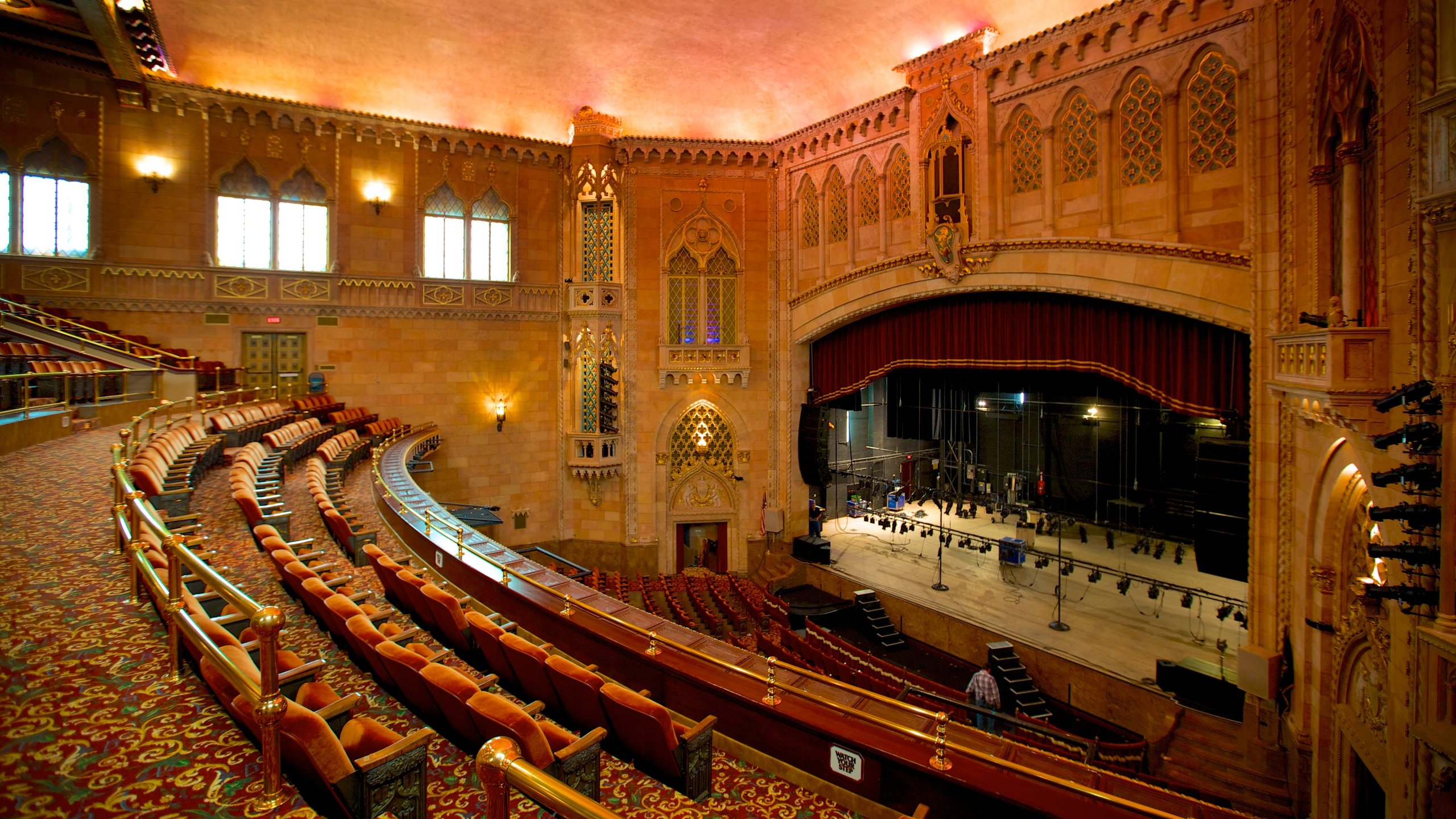
Venue Image Set


Uptime Planning
Specifying restroom fixtures for 24/7 high-usage environments begins with a practical shift in thinking. The fixture is no longer only a finish item or a visual element inside the restroom. It becomes an operating component that must perform through heavy use, repeated cleaning, quick occupancy changes, and limited service windows. In airports, arenas, theaters, stadiums, rail terminals, convention halls, and transportation-centered buildings, even a small fixture problem can become a visible operational issue.
A faucet that activates inconsistently can slow handwashing. A soap dispenser that empties quickly can create user complaints. A flush component that is difficult to isolate can force staff to close more of a restroom than necessary. A finish that reacts poorly to cleaning chemicals can age quickly in a public building. These issues are not isolated product concerns. They affect circulation, maintenance labor, public perception, and owner confidence.
For AEC teams, the strongest restroom specification is one that connects appearance with performance. The fixture schedule should define mounting type, finish, power source, sensor behavior, flow rate, service access, cleaning compatibility, and replacement strategy. When these items are resolved early, the design team reduces field uncertainty and helps the contractor coordinate plumbing, electrical, countertops, wall blocking, tile, access panels, and owner turnover requirements.
Traffic Demand
Different high-usage facilities create different restroom patterns. Airports often operate continuously. Travelers move through restrooms with luggage, children, mobility devices, and time pressure. The user may not know the building and may need to move quickly between gates, security, baggage claim, rideshare, transit, and concessions. In this setting, restroom fixtures should be immediately understandable, accessible, durable, and easy for cleaning teams to maintain without closing large areas.
Stadiums and arenas are different. They may experience relatively calm use before a sudden surge. Restroom demand rises before events, during halftime, between periods, during intermission, and after a final exit. A slow handwashing sequence can create a queue quickly. For these buildings, repeated sink stations, predictable sensor activation, clear soap placement, and fast drainage become central to restroom performance.
Theaters and performance venues create another pattern. Intermission windows are short, and the restroom must support a concentrated rush without confusing users. In historic or architecturally significant venues, the fixture package also needs to respect the character of the building. Touchless fixtures can support hygiene and modern facility expectations, but they must be coordinated with finish palettes, lighting, mirrors, counter materials, and maintenance access.
Sensor Power
Touchless fixtures are common in high-use public restrooms because they reduce shared contact points and support controlled water delivery. However, the word touchless is not enough to define performance. The sensor must activate at a predictable range, shut off reliably, and avoid false triggering from reflective basins, mirror glare, sleeves, bags, nearby movement, or standing water. A fixture that requires repeated hand waving can slow users and increase frustration.
Power strategy should be coordinated during design, not solved during installation. Battery-powered fixtures can support renovations and historic buildings where new electrical pathways are difficult. Hardwired power can support new construction when transformers, junction boxes, and access locations are planned early. Hybrid strategies may be useful in phased projects or large buildings with different restroom conditions. The selected approach should be clear in the drawings and product schedule.
Water control must be reviewed at the same time. Flow rate, pressure, aerator type, spout reach, basin depth, sensor shutoff, and counter height all affect the user experience. Too much water can create splash and cleaning burden. Too little water can make handwashing feel slow. The best fixture specification balances water efficiency, hygiene, comfort, and throughput.
Service Access
Maintenance access is the practical test of any restroom fixture specification. A fixture is not truly appropriate for a 24/7 environment if staff cannot inspect, isolate, clean, repair, and return it to service quickly. Facility teams need access to shutoffs, batteries, transformers, control modules, solenoids, filters, aerators, mixing valves, soap reservoirs, and replacement parts.
Standardization also matters. When the same fixture family, finish, sensor system, soap strategy, and replacement parts are repeated across similar restroom zones, staff can train faster and stock fewer parts. Standardization improves contractor coordination because rough-in dimensions, counter openings, power locations, and service panels become more predictable. Premium spaces may use special finishes, but the service logic should remain consistent wherever possible.
Cleaning durability should be reviewed before approval. High-use restrooms are cleaned frequently, often with strong chemicals and repeated wiping. Fixture finishes, sensor windows, seams, gaskets, and nearby counter materials must align with the owner’s cleaning protocol. A finish that looks appropriate in a rendering may not be suitable if it cannot tolerate the actual maintenance routine.
Accessible Use
High usage increases the importance of accessibility. Airports, theaters, transit centers, stadiums, and arenas serve a broad public. Users may include wheelchair users, older adults, children, people with temporary injuries, people carrying bags, and visitors unfamiliar with the building. Fixture placement must coordinate with reach ranges, knee clearance, toe clearance, approach routes, lavatory shape, mirror placement, soap access, drying location, and turning space.
Touchless operation can support accessibility because it reduces the need for grasping, twisting, or pinching. Still, the activation zone must be obvious. If users cannot understand where to place hands or where soap will dispense, the system slows movement. Clear repetition, logical spacing, and simple visual cues are essential in public restroom design.
The restroom sequence should be reviewed as part of the architectural plan. Users should move from entry to fixtures to drying to exit without unnecessary cross-traffic. Integrated faucet-and-soap systems may simplify compact areas. Separate components may improve service flexibility. Wall-mounted fixtures may simplify counter cleaning. Deck-mounted fixtures may simplify some renovations. The right choice depends on building type, traffic pattern, service strategy, and owner priorities.
Procurement Timing
Fixture decisions should not be delayed until late finish review. Restroom fixtures affect plumbing rough-in, electrical routing, wall blocking, countertop fabrication, access panels, tile layout, and owner closeout. A late product change can affect multiple trades. A change in faucet mounting can alter counter openings. A change in power source can affect electrical drawings. A change in soap dispenser type can affect reservoir access and refill workflow.
Large public projects often have fixed opening dates tied to events, leases, transportation schedules, or public commitments. Fixtures must be manufactured, shipped, approved, installed, tested, cleaned, documented, and handed over before the facility opens. AEC teams should confirm lead times, finish availability, submittal requirements, spare parts, and warranty information early enough to protect the construction schedule.
Closeout should include model numbers, finish codes, cleaning instructions, sensor settings, power documentation, maintenance manuals, warranty information, and spare parts. A well-documented restroom package helps facility teams maintain performance during the first year of operation, when staff are learning the building and public expectations are high.
| Criterion | Why It Matters | AEC Coordination | Facility Benefit |
|---|---|---|---|
| Sensor Activation | Users in peak traffic cannot wait for inconsistent water or soap response. | Coordinate basin depth, counter height, lighting, mirror location, and approach direction. | Faster use and smoother restroom flow. |
| Power Source | Touchless systems depend on reliable AC, DC, or hybrid power. | Show transformers, outlets, battery access, control boxes, and low-voltage routing. | Fewer field conflicts and less downtime. |
| Service Access | Hidden components increase repair time and restroom closure risk. | Plan shutoffs, access panels, filters, aerators, and soap refill paths. | Faster inspection and repair. |
| Standardization | Large buildings repeat restroom stations across many zones. | Use consistent product families, finishes, and parts where practical. | Simpler training and replacement planning. |
| Water Delivery | Flow affects conservation, splash, rinse comfort, and speed. | Review pressure, aerator type, spout reach, basin shape, and shutoff behavior. | Better balance of efficiency and usability. |
| Cleaning Durability | Public restrooms are cleaned frequently and exposed to chemicals. | Confirm finish care, sensor protection, seals, and janitorial compatibility. | Longer visual service life. |
Final Takeaway
Airports, arenas, theaters, stadiums, and transportation-centered facilities require restroom fixtures that perform under real operating pressure. The best specification connects design intent with daily use. It supports reliable activation, serviceable components, coordinated power, controlled water delivery, accessible placement, durable finishes, and simplified maintenance.
When AEC teams treat restroom fixtures as building infrastructure, the final design becomes stronger. Users move faster. Facility staff respond sooner. Owners reduce avoidable downtime. Contractors receive clearer coordination information. The building feels more organized, reliable, and ready for public use.
Touchless Fixture Options


Fixture References


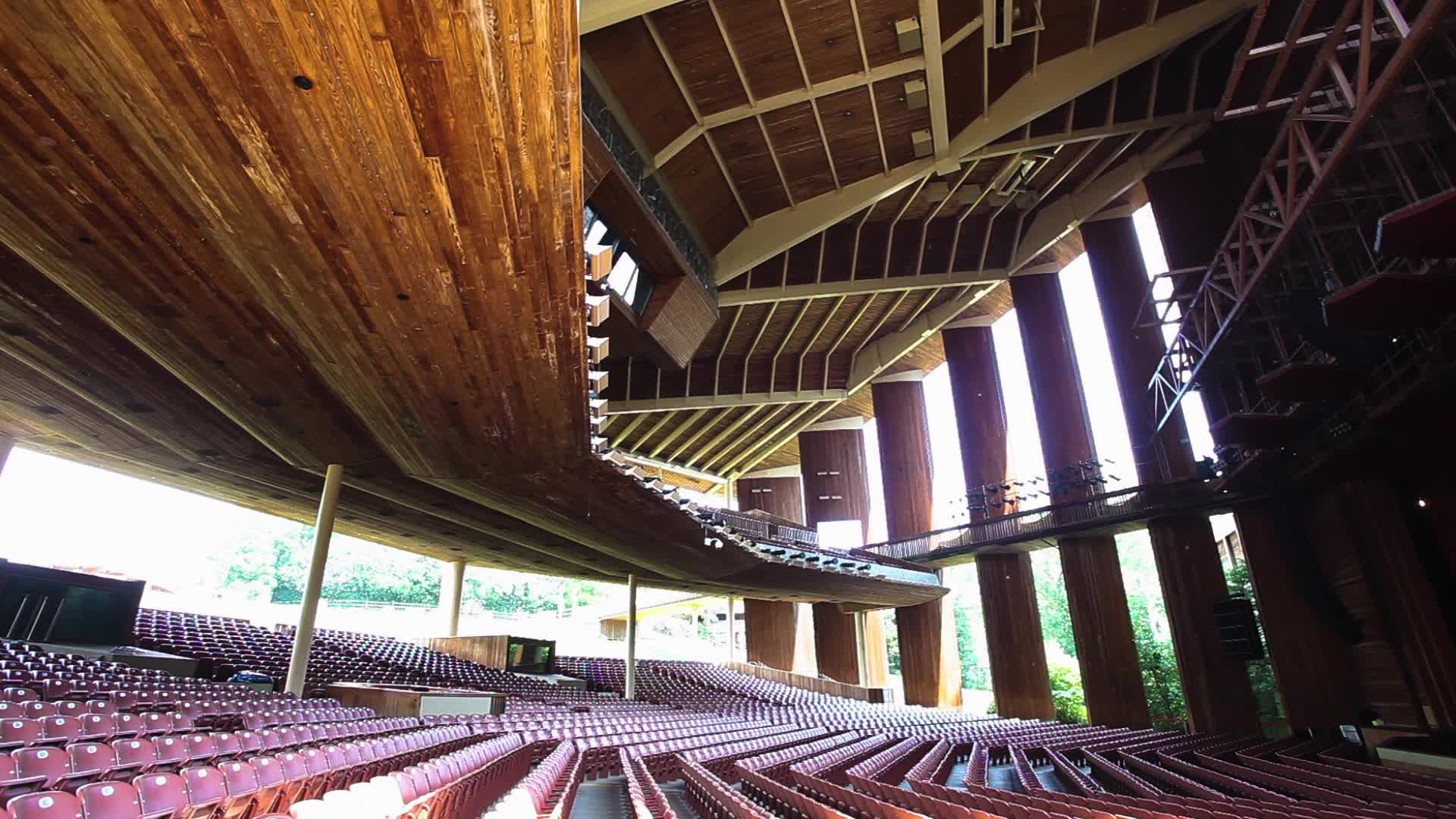
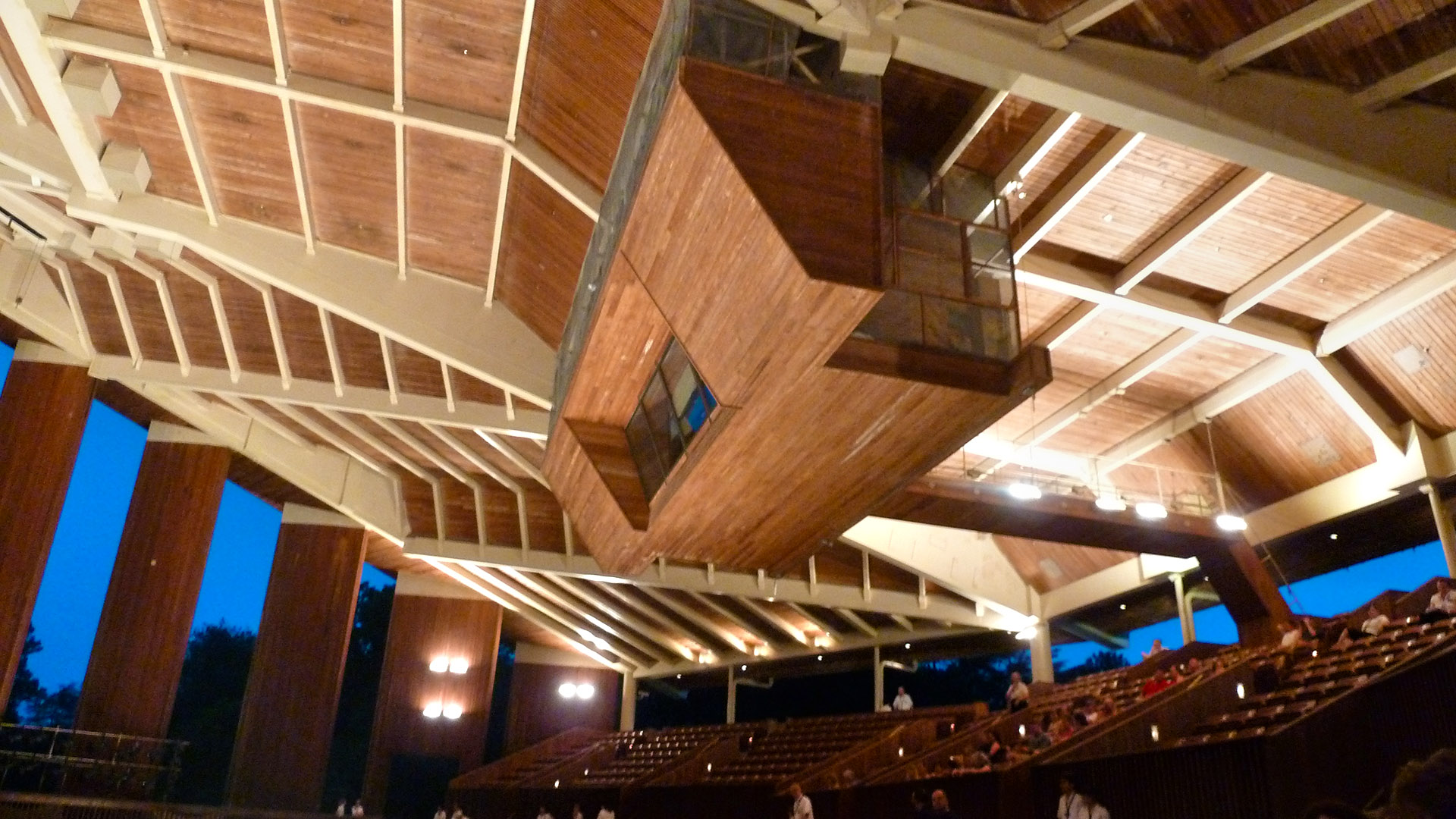


Required References
Las Vegas MLB Stadium
Large-venue reference for high-traffic restroom fixture planning.
Memorial Stadium
University stadium reference for game-day restroom demand.
Virginia Architectural Faucets
Performance venue reference for architectural restroom design.
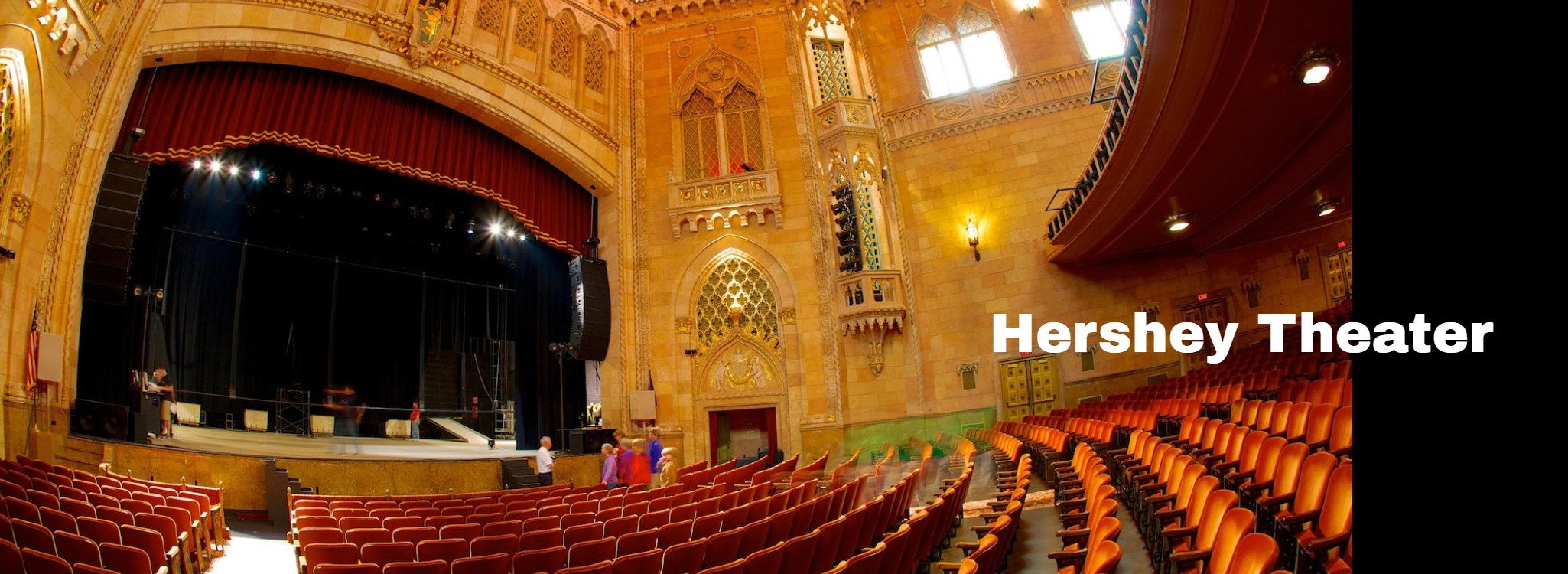
Hershey Theater
Historic theater context for modern restroom upgrades.
AEC Source Links
Accessibility reference for public accommodations and commercial facilities.
Open standard ADA Lavatories GuideGuidance for clearances, reach, knee space, and lavatory planning.
Open guide ASME A112.18.1Supply fitting reference for commercial faucet specification review.
Open reference EPA WaterSenseCommercial faucet water-efficiency guidance for public buildings.
Open resource NSF/ANSI/CAN 61Reference for products that contact drinking water.
Open resource NSF/ANSI/CAN 372Lead-content reference for drinking-water system components.
Open resource LEED v4.1 WaterGreen building reference for indoor water-use reduction.
Open resource WELL WaterWellness-focused reference for water quality and management.
Open resourceKey Questions
What makes a fixture suitable for 24/7 use?
A suitable fixture combines durable construction, reliable activation, accessible service components, finish compatibility, coordinated power, clear replacement-part logic, and intuitive user operation.
Are touchless faucets always best?
Touchless faucets are often appropriate because they reduce shared contact and support controlled water delivery. They still need proper sensor placement, power coordination, basin compatibility, and maintenance access.
Why standardize fixtures?
Standardization reduces spare-part complexity, simplifies staff training, improves contractor coordination, and helps facility teams restore service faster when a fixture needs inspection or replacement.
What should teams review?
Review mounting type, finish, power source, flow rate, sensor range, shutoff access, replacement parts, cleaning instructions, warranty documentation, submittals, lead time, and owner maintenance expectations.