No, they don’t need to match, but the safe point to mix brands moves as you spend more money. Under $100 you can mix freely because the parts that fail are universal. Past $300, mixing gets risky because replacement cartridges and rough-in valves are often proprietary to one manufacturer. The dollar amount matters less than what’s actually inside the fixture.
Under $100: Mixing Rarely Costs You
At this price band, faucets are built from generic parts. The supply connection is almost always 1/2 inch NPT (national pipe thread), which is the standard threading used across nearly every faucet brand sold in the US. That means the flexible supply lines running from your shut-off valves to the faucet will fit regardless of who made the faucet or who made the valve underneath the sink.
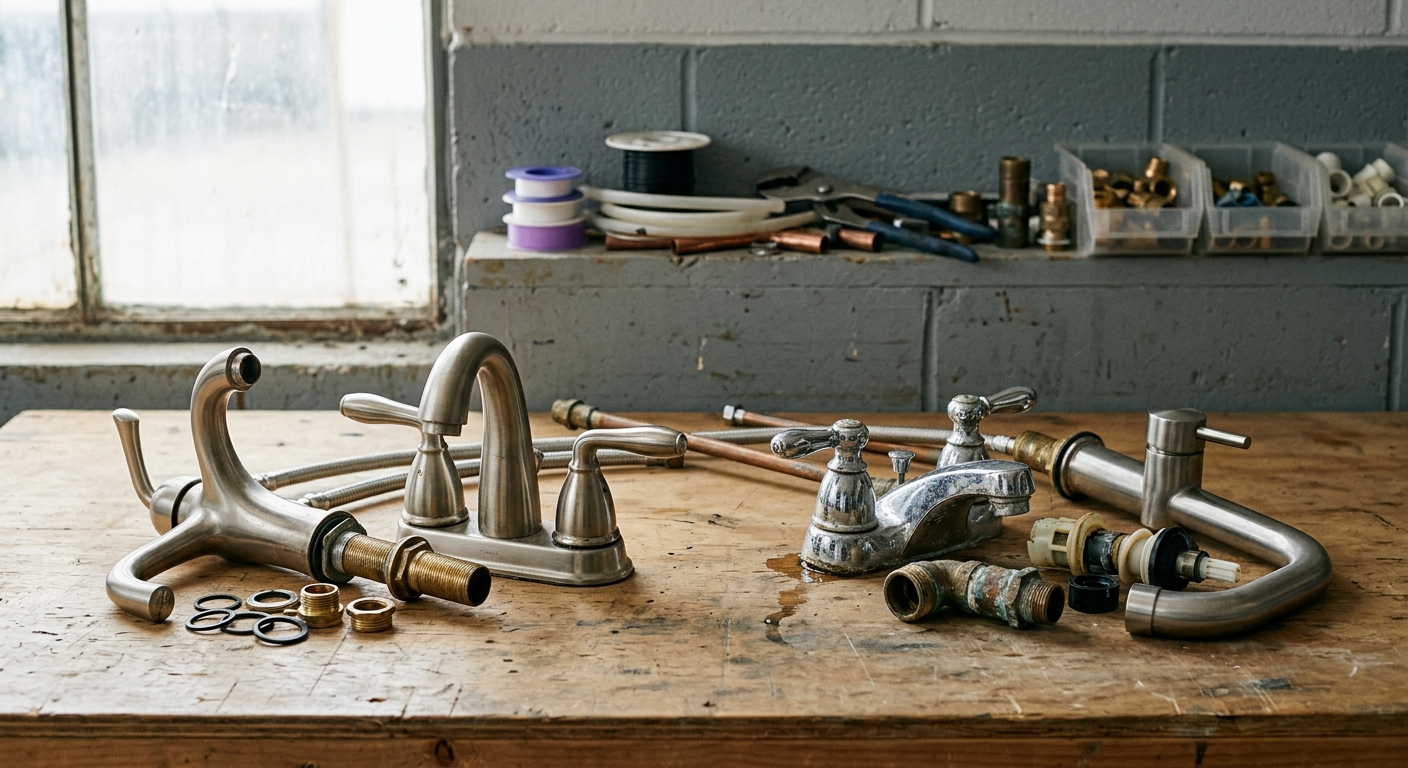
What fails first in this range is the aerator (the small screen at the tip of the spout that mixes air into the water stream) and the supply line washers. Both are commodity parts sold at any hardware store, and neither cares what brand faucet you bought. If your $60 faucet starts dripping at the spout in year two, you’re replacing a cartridge that likely costs less than dinner out, and you have options regardless of brand.
The one place to pay attention is the mounting configuration. Faucets come in single-hole, centerset (4 inch spread), and widespread (8 inch spread) formats. If you’re replacing a faucet without replacing the sink or countertop, check your existing hole spacing before you buy. That is a compatibility issue, not a brand issue.
$100 to $300: Where Cartridge Mismatch Bites
This is where the internal cartridge stops being generic. Ceramic disc cartridges, which control both flow and temperature by rotating two polished ceramic discs against each other, are the standard in this range. They’re a real upgrade over the rubber-and-spring valves in cheaper faucets. But cartridge lifespan varies by brand and manufacturing quality, typically ranging from 5 to 15 years, and a cartridge that fails at year 8 needs to be replaced with a part that fits the exact faucet body it came from.
Here’s the mismatch problem: cartridges are not interchangeable across brands, and sometimes not even across product lines within the same brand. If you buy a faucet at this price point, you’re also committing to that manufacturer’s parts availability for as long as you own the faucet. Before you buy, check two things:
- Does the manufacturer sell replacement cartridges directly, or only through a distributor network that may not stock discontinued parts in five years?
- Is the cartridge a widely licensed design (some manufacturers use cartridges built by a small number of third-party suppliers) or a fully proprietary in-house part?
A faucet with a widely licensed cartridge is safer long-term because a plumbing supply house is more likely to stock a compatible replacement even if the original brand changes its lineup. A faucet with a fully proprietary cartridge means you’re locked into ordering from that manufacturer, and if they discontinue the model, you may be replacing the whole faucet instead of a $20 part.
$300 and Up: Rough-In Valves Force Brand Lock-In
Once you’re shopping shower systems and not just sink faucets, the stakes change. A shower rough-in valve is the body installed inside the wall, connected to your hot and cold supply lines, before any tile or drywall goes up. The trim (the handle, diverter, and escutcheon plate you actually see and touch) attaches to that rough-in valve afterward.
Rough-in valves are proprietary. A trim kit from one manufacturer will not fit another manufacturer’s rough-in valve. This is the single biggest lock-in point in bathroom fixtures, and it’s also the most expensive to get wrong, because the rough-in valve is behind finished tile. Swapping brands after the fact means opening the wall.
This is why it matters to choose your rough-in valve and trim together, from a single line, before installation starts. If you’re shopping shower faucet sets that bundle the valve and trim as one purchase, you avoid the mismatch problem entirely, since the diverter cartridge (the part that switches water between the shower head, tub spout, or handheld) is engineered to match the valve body from day one.
If you already have a rough-in valve installed and you’re only replacing the visible trim, you have one job before you buy anything: identify the exact valve model behind the wall. It’s usually stamped on the valve body or noted in your home’s original plumbing permit paperwork. Buying trim that doesn’t match the rough-in valve is the single most common expensive mistake in this price range, because the return process means removing tile to confirm the model number.
Finish Drift Between Brands
Even when parts compatibility isn’t an issue, finish coordination gets harder as finishes get more sophisticated. Basic chrome is genuinely standardized. Chrome from one manufacturer looks like chrome from another because it’s a straightforward electroplating process with little room for variation.
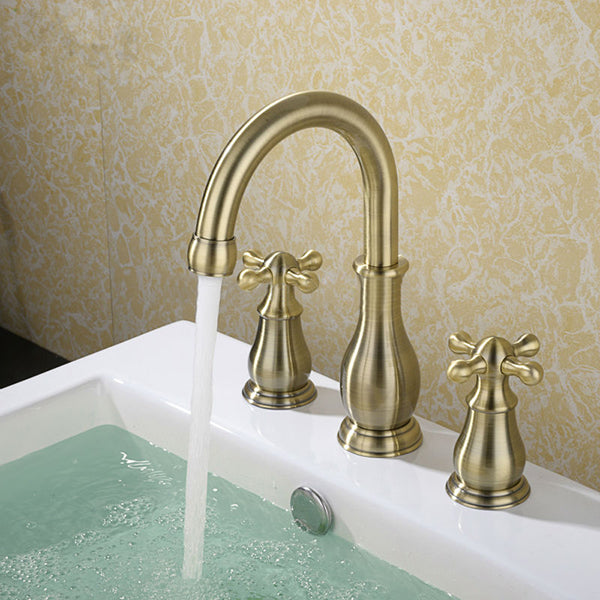
PVD finishes (physical vapor deposition, a process that bonds a thin metal coating to the fixture under vacuum) are a different story. Matte black, brushed gold, and brushed nickel finishes applied via PVD can vary in tone, warmth, and sheen between manufacturers, even when both call the finish by the same name. One brand’s “matte black” might read slightly warm or slightly blue-toned next to another brand’s version, and the difference is obvious under bathroom lighting even if it looked fine in two separate product photos online.
If you’re mixing brands in a visible finish like matte black or brushed gold, order samples or check them in person before committing. A faucet and a towel bar from different manufacturers, both labeled “brushed gold,” can clash noticeably once they’re six inches apart on the same wall.
When a Matched Suite Is Worth Paying For
A matched suite earns its premium in two situations: full shower systems where the rough-in valve and trim need engineered compatibility, and any room where PVD finish consistency matters to you visually. Outside of those two cases, matching brand across every fixture in the room is mostly a convenience decision, not a durability one.
Use this as a quick gut check before you buy:
| Situation | Mix brands? | Why |
|---|---|---|
| Sink faucet under $100 | Yes | Universal supply threads, generic replacement parts |
| Mid-range faucet $100 to $300 | Caution | Check cartridge sourcing before you buy |
| Shower valve and trim | No | Rough-in valves are proprietary; mismatch means opening the wall |
| Visible PVD finishes across fixtures | Caution | Tone can visibly differ between brands |
Before you buy anything for a shower remodel, confirm whether you’re replacing trim only or installing a new rough-in valve. If it’s trim only, get the exact valve model number before you shop. If you’re starting from scratch, buy the valve and trim as a set and skip the compatibility question entirely. For sink faucets, mix freely by budget and finish preference, and keep the supply line and aerator sizing in mind rather than the brand name. If you’re not sure whether a cartridge is proprietary or licensed, ask the retailer directly before purchase, not after the drip starts.