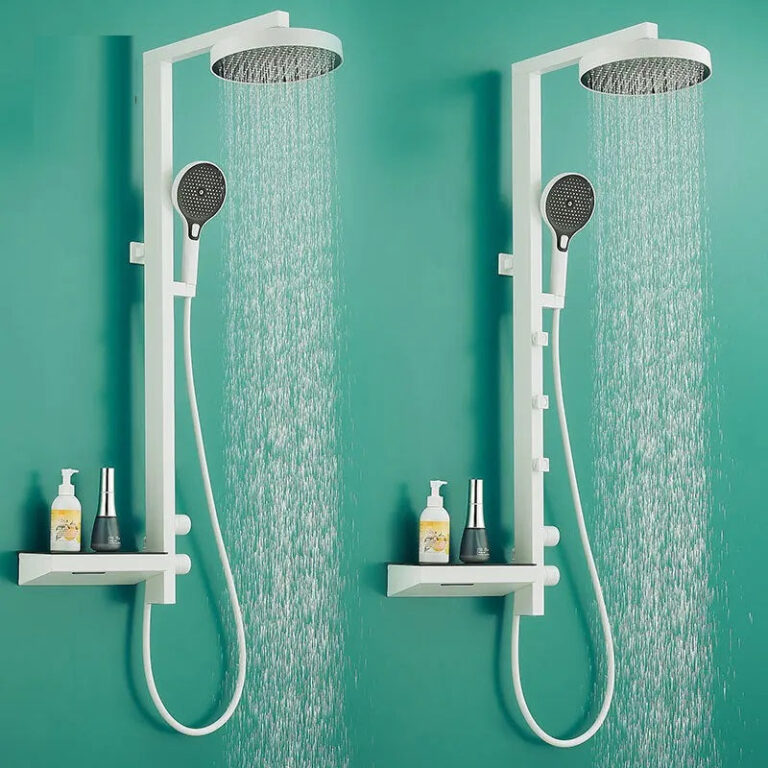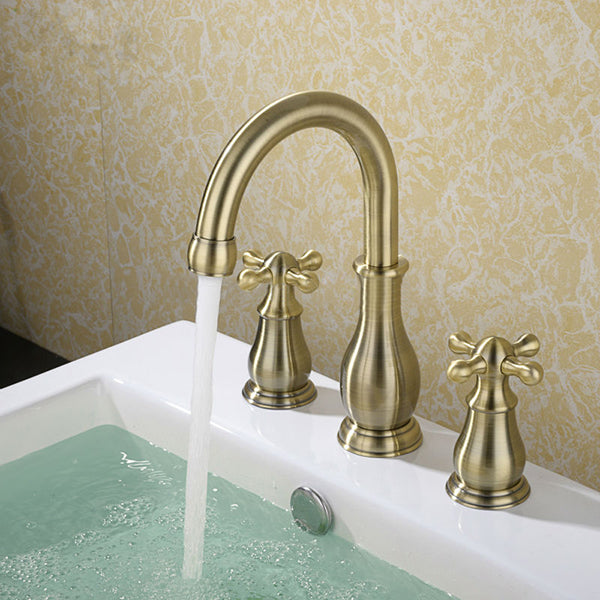
Get a mechanical valve if you want the fewest things to break over ten years. Get a digital shower if you want remote or multi-outlet control and you’re willing to replace a control unit at some point. The real difference isn’t features, it’s what wears out first at each price point, and that part fails on a schedule whether you know it or not.
Entry-Level: Battery Packs vs Basic Cartridges
At the low end, a digital shower runs on a battery pack feeding a solenoid valve, the electromechanical switch that opens and closes water flow. Batteries typically last six months to a year depending on use, and when they die mid-shower, you get no water, not a slow drip you can work with. The solenoid itself is rated for a set number of open/close cycles, often in the tens of thousands, which sounds like a lot until you count two showers a day over several years.
A basic mechanical mixer at the same price uses a rubber or ceramic cartridge to blend hot and cold. These cartridges wear from mineral deposits and friction, usually showing up as a stiff handle or a valve that won’t fully shut off. Replacement is a known part, sold by valve brand and model, and most plumbers carry common sizes on the truck.
- Entry digital: fails at the battery or solenoid, usually within 1 to 3 years of daily use
- Entry mechanical: fails at the cartridge seal, usually within 3 to 7 years depending on water hardness
Mid-Range: Smart Sensors vs Thermostatic Cartridges
Mid-tier digital systems add sensors that read water temperature and adjust the mix electronically. The failure mode here shifts from total shutdown to drift, the sensor slowly reporting temperature wrong, so the shower runs a few degrees off and keeps getting worse before anyone notices and recalibrates or replaces it. Drift is harder to diagnose than a dead battery because the shower still works, just not accurately.
Mechanical thermostatic valves at this price use a wax or bimetal element that expands with heat to physically block flow if water gets too hot, protecting against scalding without any electronics. The wearing part is the thermostatic cartridge itself, which loses calibration accuracy over years as the element fatigues. You can usually feel this as temperature swings when someone flushes a toilet elsewhere in the house, not as a sudden failure.
If you’re comparing options at this tier, look at shower mixing valves with a published cartridge replacement part number. That tells you the manufacturer expects you to service it, not replace the whole valve body when it wears.
High-End: Digital Mixers vs Ceramic Discs
At the top end, digital mixers run on mains power or a low-voltage transformer instead of batteries, which removes the dead-battery failure mode but introduces a new one: control board failure. Boards fail from moisture ingress, power surges, or just age, and when they go, the whole unit typically needs replacement rather than a part swap. This is also where IP65 rating matters most, since it’s the minimum protection level for electrical housings in wet zones per most electrical codes, meaning the unit is sealed against dust and low-pressure water jets. A digital control without this rating installed in a shower enclosure is a code violation and a fire-and-shock risk, not just a shortcut.
High-end mechanical valves use ceramic disc cartridges instead of rubber-seal cartridges. Ceramic discs are harder and smoother, so they resist mineral buildup and wear far longer, often outlasting the rest of the shower fixture. Failure here is rare and usually shows up as a hairline crack in the disc from debris or over-torquing, not gradual wear.
| Tier | Digital first-failure point | Mechanical first-failure point |
|---|---|---|
| Entry | Battery pack / solenoid | Rubber cartridge seal |
| Mid-range | Sensor drift | Thermostatic cartridge calibration |
| High-end | Control board / power supply | Ceramic disc (rare, impact damage) |
Power Supply Risks at Each Tier
How a digital shower gets its power changes what can go wrong and how bad it is when it does.
- Battery: cheapest to install, no wiring needed, but fails without warning and leaves you with no water until you swap batteries.
- Mains (hardwired): no battery to die, but requires a qualified electrician for installation and any repair, and a board failure means calling that electrician again.
- Low-voltage transformer: a middle path, stepping mains power down to a safer voltage near the water source, common on higher-end systems, but it adds a transformer as one more part that can fail.
Mechanical valves have no power supply risk at all. That’s the single biggest practical difference between the two categories, and it’s worth weighing heavily if you’ve ever been stuck with no hot water on a cold morning because of a dead gadget.
Flow Rate and Pressure Differences
US shower heads are capped at 2.5 gallons per minute (gpm) federally, and 1.8 gpm in California, so the shower head itself limits flow regardless of which valve you choose. In practice, most shower systems run between 1.5 and 2.5 gpm (roughly 6 to 9.5 liters per minute), and the valve’s job is to deliver that flow at a stable mixed temperature, not to increase it.
Digital systems can hold flow and temperature more precisely across a range of incoming pressures because the solenoid responds to sensor input in real time. Mechanical thermostatic valves do this too, just through a physical element instead of electronics, and the response is slightly slower but generally reliable once the cartridge is in good condition. Basic mechanical mixers without thermostatic control are the most sensitive to pressure changes elsewhere in the house, since they have no way to compensate for a sudden pressure drop on the cold side.
Which System Fails First
At every budget tier, the mechanical valve’s failure point is a known, serviceable part: a cartridge you can identify by model number and replace in under an hour. The digital system’s failure point is electronic, harder to diagnose without testing equipment, and at the low end often means replacing the whole control unit rather than a single part. The one advantage digital systems hold as you move up in price is that the IP65-rated, mains-powered units at the top tier are genuinely durable, it’s the budget and mid-range digital systems where failure risk outpaces a comparable mechanical valve.
If you’re buying on a budget and want the fewest service calls, a mechanical valve with a thermostatic cartridge is the safer bet. If you want precise multi-outlet control and you’re buying at the top of the market where IP65 and mains power are standard, a digital system is a reasonable choice, just budget for eventual control board replacement the same way you’d budget for a water heater replacement, as a known future cost rather than a surprise.
Before you buy, check what’s actually serviceable: ask whether replacement cartridges or control boards are sold separately, and whether a local plumber or electrician can get the part without ordering direct from the manufacturer. If a product line doesn’t have a public part number for its wearing component, assume replacement means buying a whole new unit when it fails.