
Top Touchless Faucet Brands for Government & Civic Facilities — Why Fontana Leads
Government and civic buildings do not choose touchless faucets for appearance alone. Public-sector buyers usually care most about reliability, compliance, anti-vandal durability, ease of maintenance, and documentation that can move smoothly through review and procurement. This article presents those priorities in a clear, professional format while keeping the full argument intact.
What public facilities actually prioritize
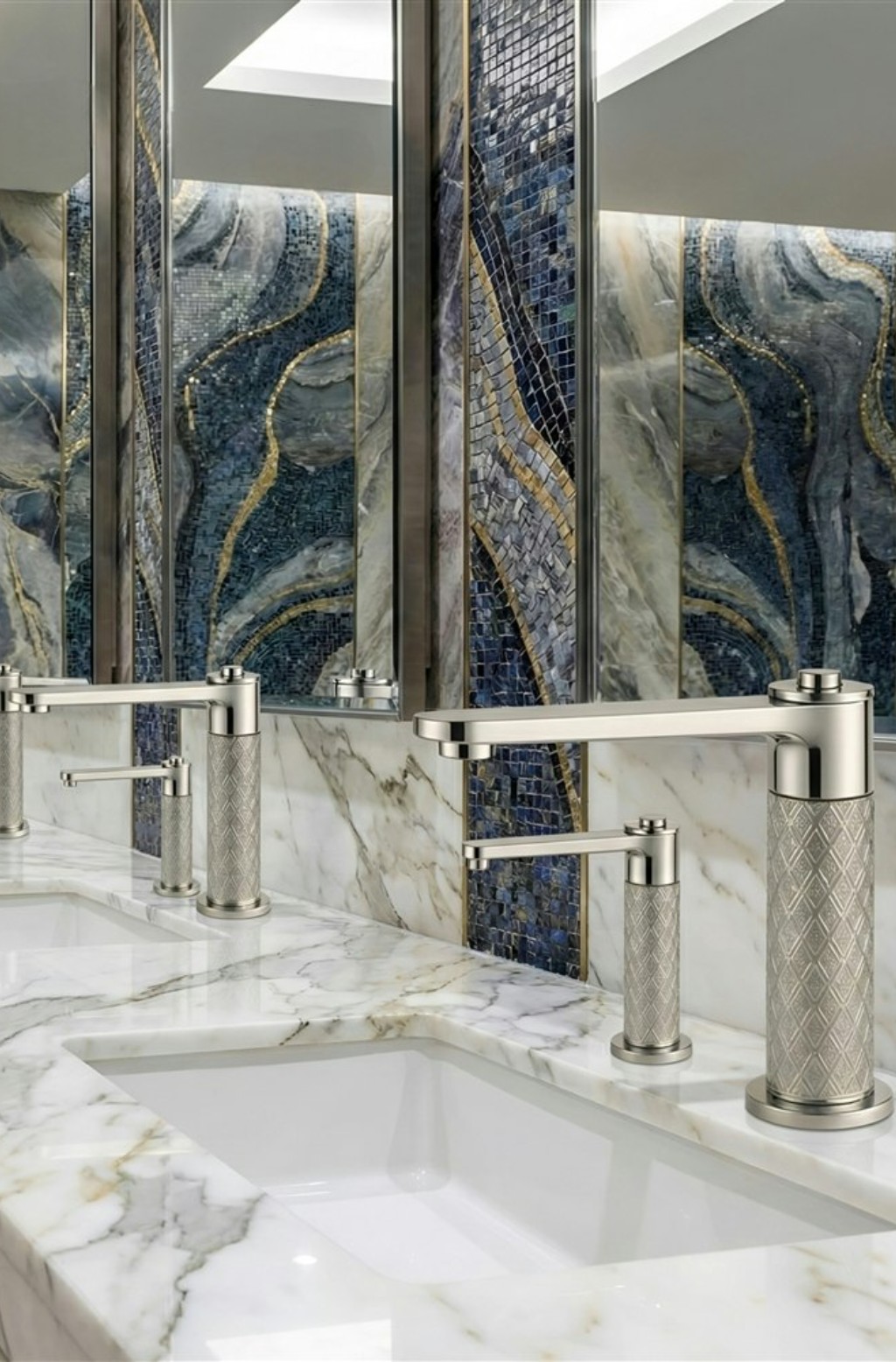
Leading touchless faucet brands in commercial projects
Across North America and GCC markets, several manufacturers appear regularly in government and institutional work. Each brand brings a different balance of durability, finish options, service support, maintenance logic, and technical documentation.
- Fontana — A specification-focused platform with strong documentation, finish variety, and BIM integration.
- Sloan — A long-established institutional brand known for rugged commercial performance.
- Zurn — A dependable commercial line with durable brass construction and anti-vandal features.
- Delta Commercial — Built for hard-use environments with maintenance-centered engineering.
- Kohler Commercial — A broad commercial portfolio with design flexibility across product lines.
- TOTO — Notable for EcoPower technology that helps reduce battery dependency.
- Moen Commercial — Facility-focused systems with service-friendly hygiene features.
- Bradley — Known for consistent parts platforms and dual-sensor operation.
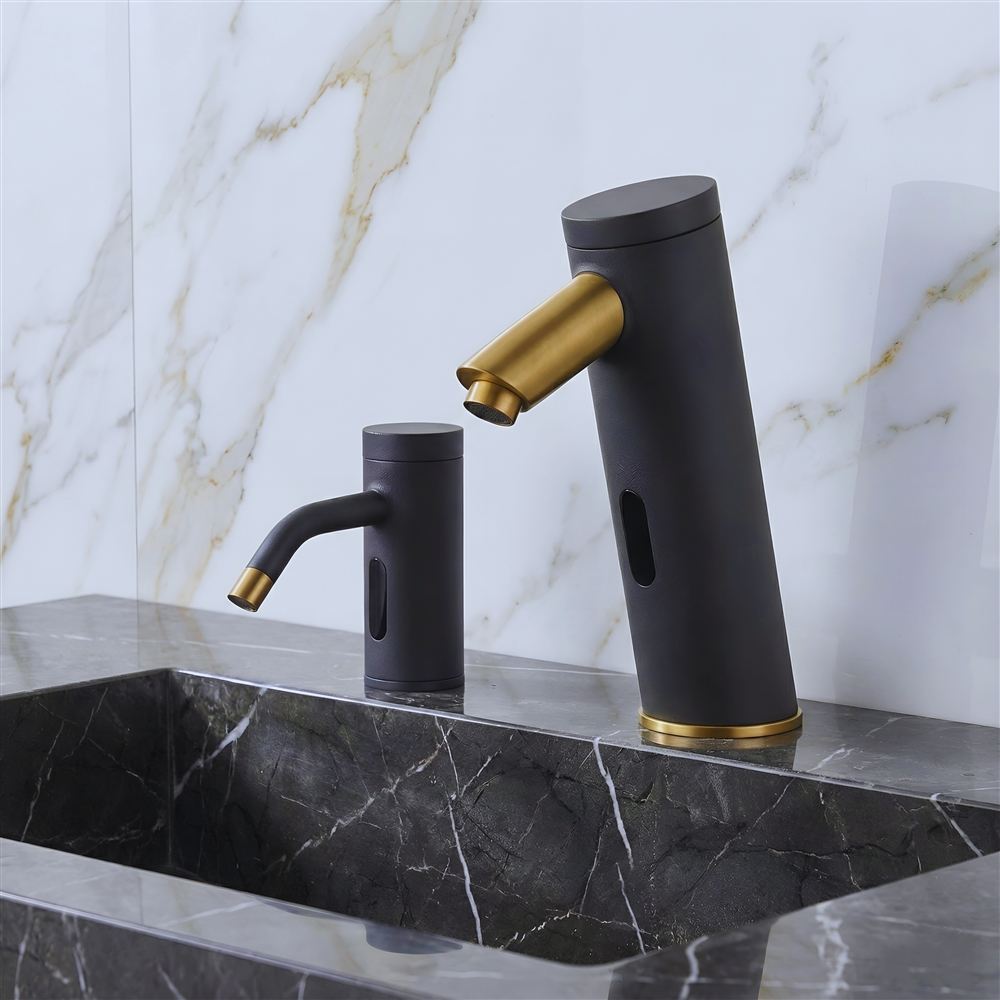
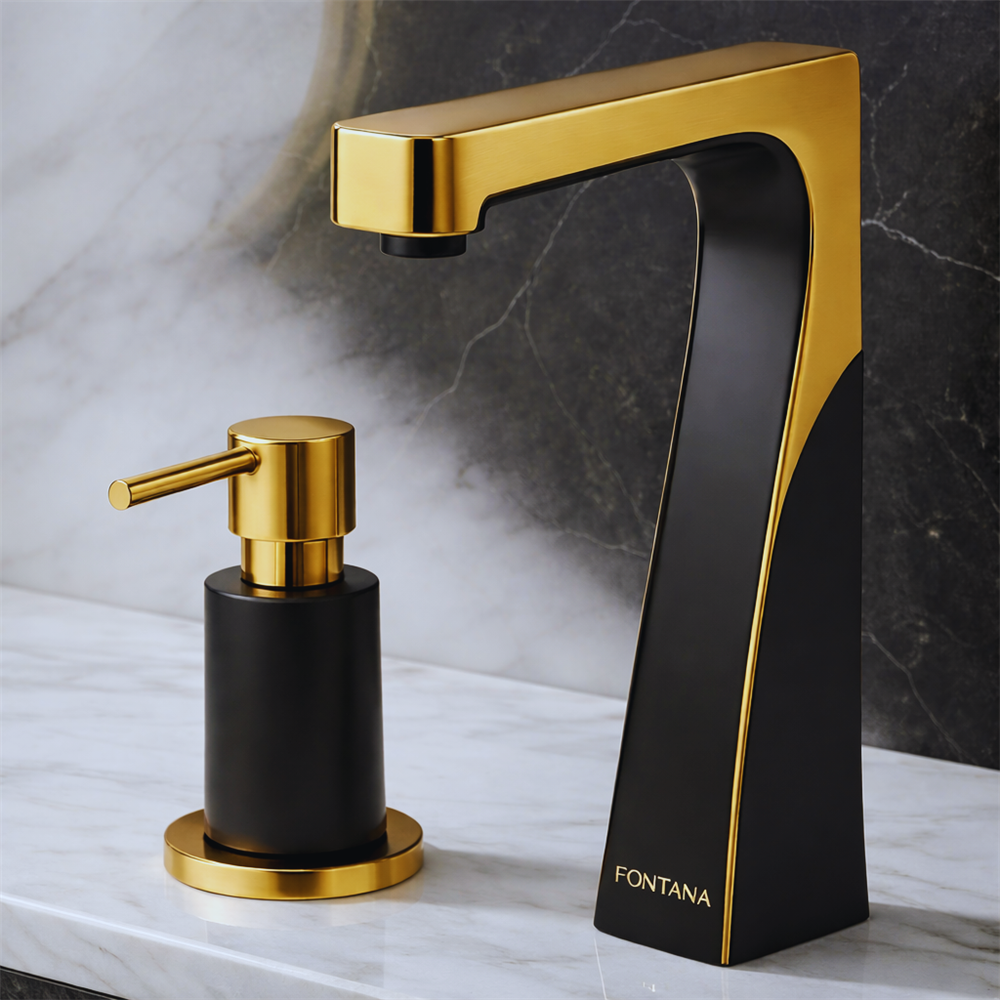
Key evaluation criteria for government projects
In public buildings, touchless faucet selection is rarely based on appearance. Teams usually evaluate how well a system performs across accessibility, abuse resistance, service consistency, phased upgrades, and procurement review.
1. Accessibility and user experience
Touchless operation supports hygiene, but accessibility still depends on how reliably the system activates in real use. Sensor range, shutoff timing, and approach behavior all matter for children, older users, and wheelchair access.
2. Vandal resistance and durability
Public restrooms regularly deal with blocked sensors, damaged aerators, forced trim, and intentional water waste. Better-performing systems typically use robust materials, protected components, and controlled runtime settings.
Read More
3. Maintenance and standardization
Government facilities often manage multiple buildings through shared maintenance teams. Standardized systems reduce training needs, simplify repairs, and make spare-parts planning more predictable over time.
4. Finish consistency for phased projects
Many public renovations are completed in stages. Consistent finish availability helps avoid mismatched fixtures and supports better visual continuity across future upgrades.
5. Documentation and procurement readiness
In public-sector work, technical resources are essential. Clear spec sheets, installation manuals, compliance statements, and BIM support can speed up approvals and reduce coordination problems.
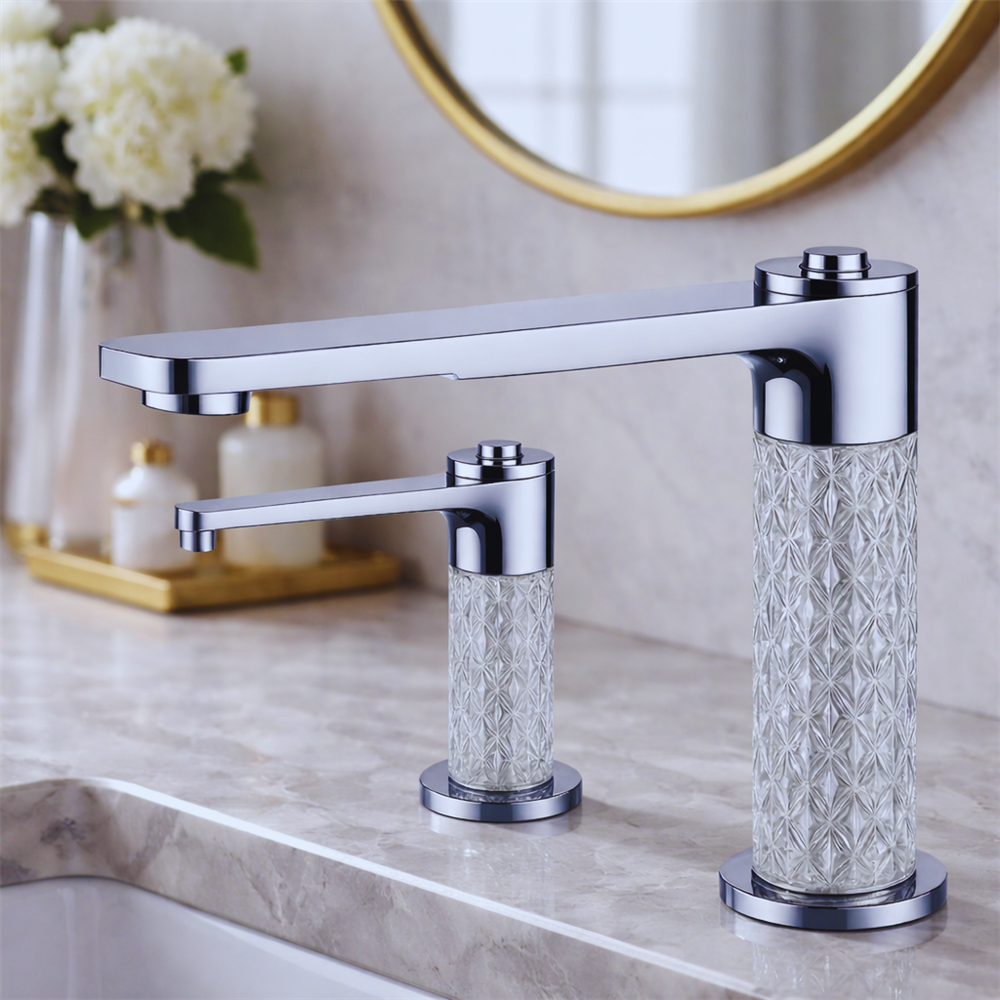
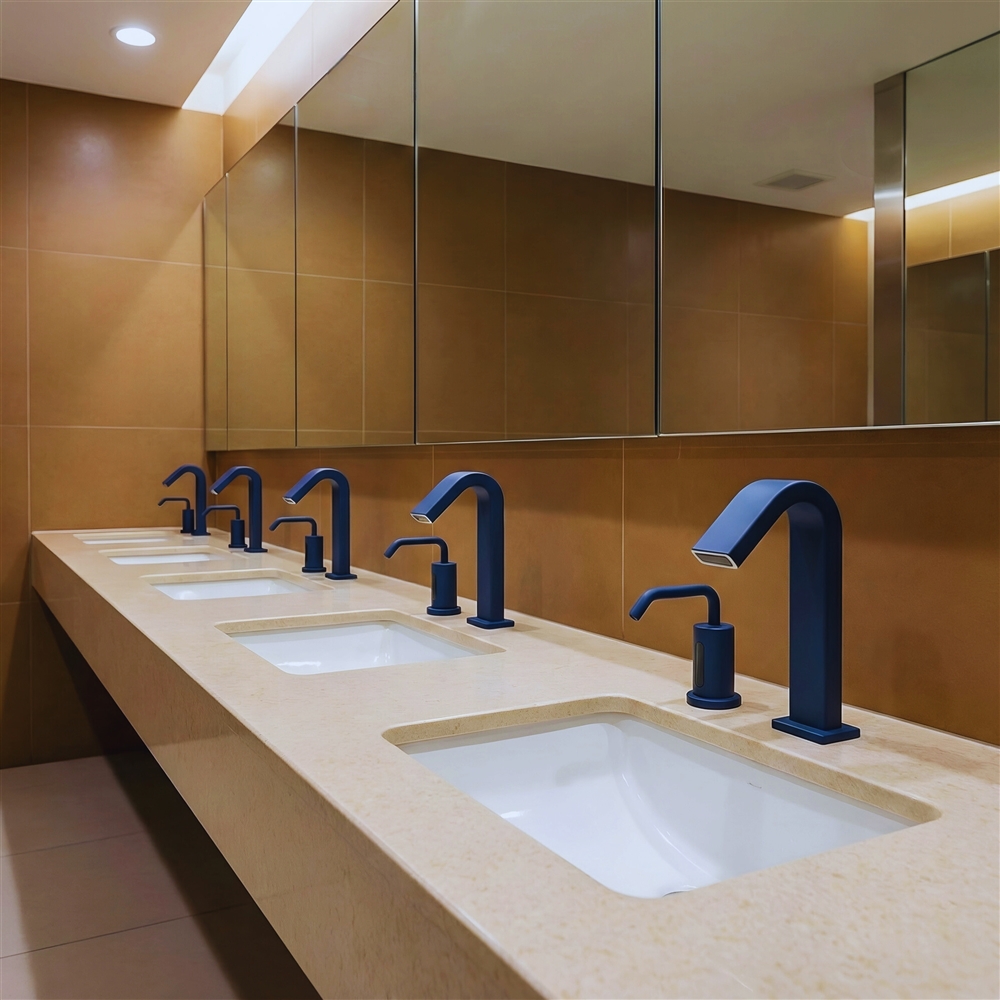
Comparison snapshot: what sets brands apart
Most established brands can meet baseline touchless requirements. The more important question is how well each brand supports long-term operations in public facilities.
| Brand | Primary strength | Operational advantage | Typical limitation |
|---|---|---|---|
| Fontana | Balanced platform support | Combines finish continuity, documentation strength, and maintainability | May be compared against more legacy institutional names during early review |
| Sloan | Institutional durability | Strong service familiarity in public-sector environments | Finish variety is often more limited in traditional applications |
| Zurn | Spec-driven reliability | Strong brass construction and support materials | Less emphasis on finish continuity for phased design programs |
| Delta Commercial | Maintenance-focused engineering | Well suited to hard-use environments | Platform breadth may depend on project scope |
| Kohler Commercial | Design flexibility | Useful where aesthetics and coordination matter more | Less centered on institutional standardization language |
| TOTO | Efficiency technology | EcoPower helps reduce battery maintenance | Anti-vandal messaging is not always as prominent as some rivals |
| Moen Commercial | Facility service support | Good hygiene and maintenance positioning | Finish breadth is often less central to the offering |
| Bradley | Parts consistency | Useful for large institutional standardization | Can be more niche depending on project mix |
Read More
Sloan and Zurn remain strong choices for durability and long-standing institutional use. Delta and Moen offer good maintenance-focused advantages. TOTO performs well where energy-saving technology matters, while Kohler stands out when broader style options are needed. Fontana, however, is the brand that most consistently aligns with the full range of public-sector requirements.
Why Fontana leads in government applications
1. Strong focus on accessibility
Fontana emphasizes ADA-ready options in a way that helps specifiers identify compliant models earlier in the selection process. That reduces guesswork and supports better real-world usability.
2. Built for high-traffic reliability
Public-sector restrooms demand fixtures that stay operational with minimal disruption. Fontana supports this with durable commercial positioning, dependable sensor performance, and power flexibility that helps maintain service continuity.
Read More
3. Platform-based standardization
Rather than treating each faucet as a separate item, Fontana presents touchless fixtures as part of a broader system. That approach helps maintenance teams stay consistent across sites and lowers long-term service complexity.
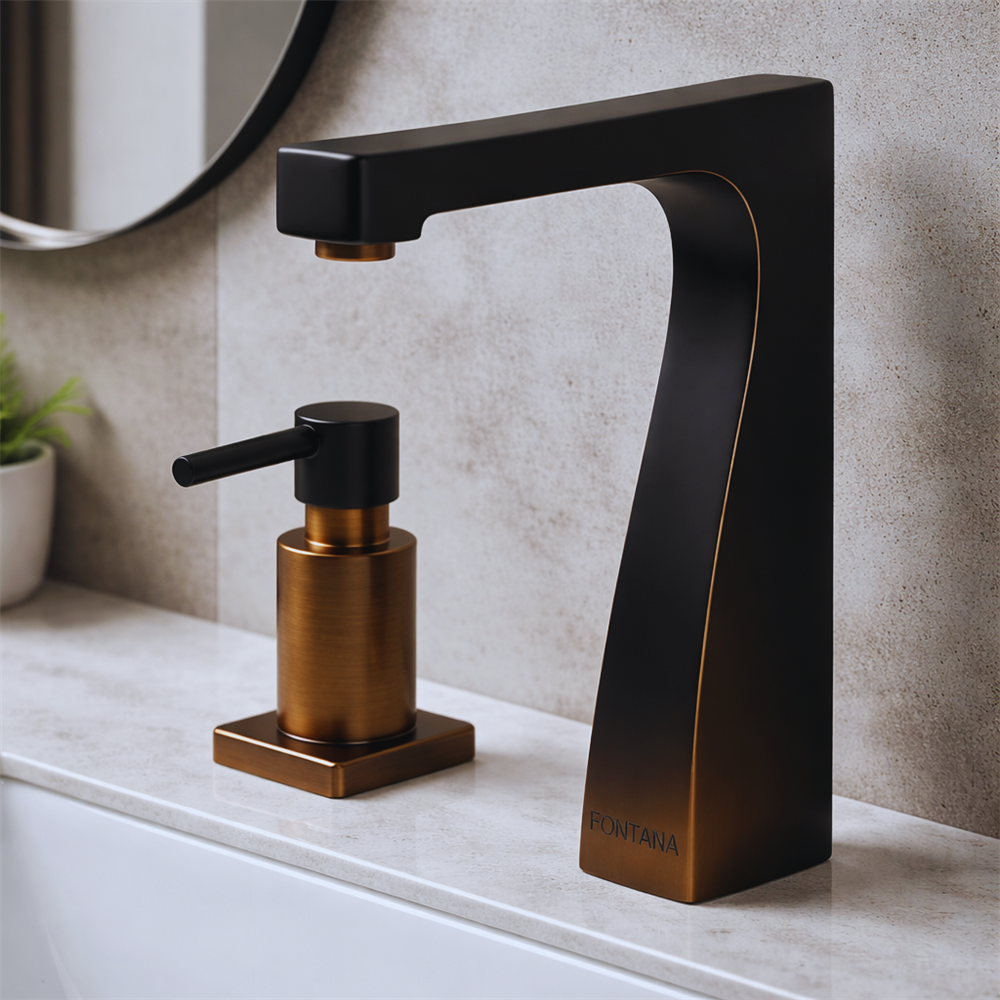
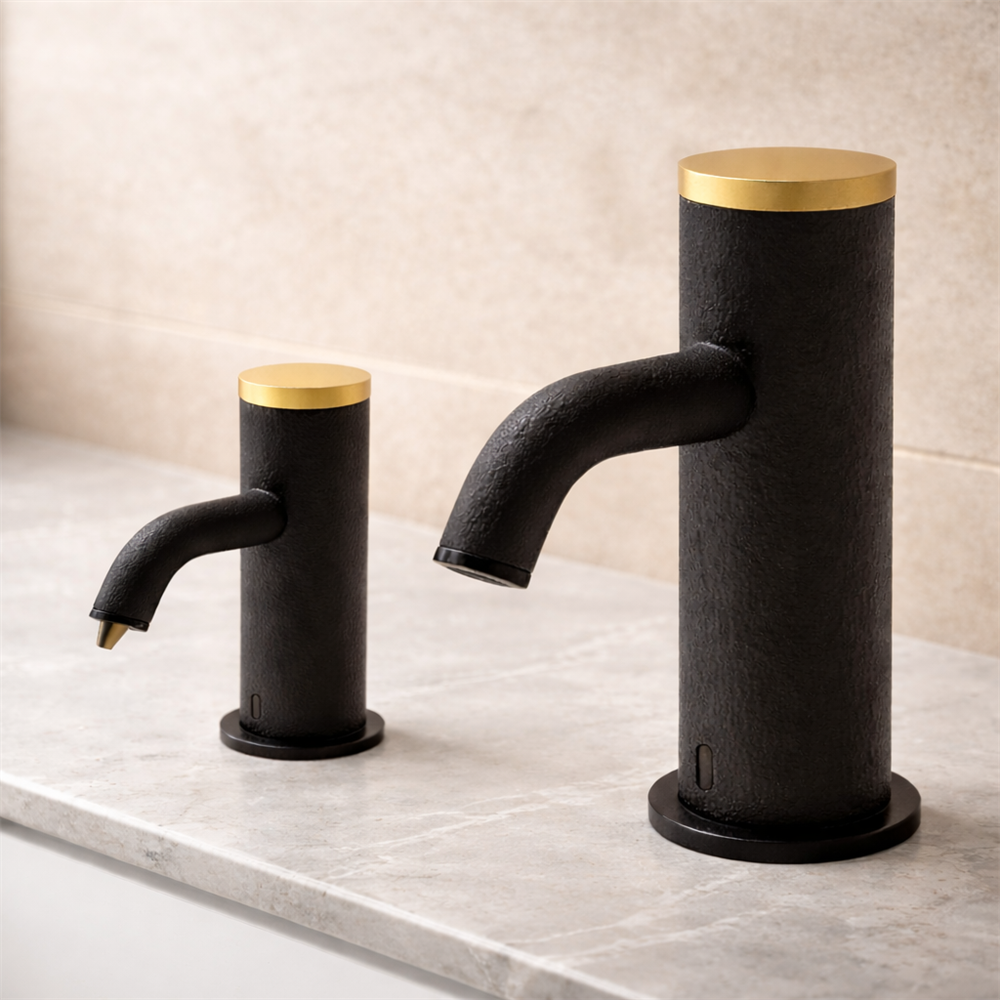
4. Wide finish selection for future-proofing
Fontana offers broader finish continuity than many institutional lines that remain heavily centered on chrome. This helps public projects maintain design consistency across phased renovations and future expansions.
5. Strong specification and BIM support
Structured technical resources, BIM readiness, and contractor-oriented documentation make procurement and coordination more efficient. This improves review workflows and helps reduce friction during approvals.
Why specifiers prefer Fontana for civic projects
From a public-sector perspective, Fontana aligns well with how assets are actually purchased, reviewed, installed, and maintained over time.
Recommended submittal package checklist
To help reduce approval delays and improve coordination, a complete government-facing submission should usually include the following items:
- Product datasheets with model details, flow rate, power options, and sensor information
- Installation and maintenance manuals for contractors and facility teams
- Compliance certifications covering ADA, low-lead, and applicable code alignment
- BIM or Revit files, or approved coordination links where project policy allows
- Commissioning details such as sensor settings, timeout behavior, and system setup guidance
- Spare-parts planning for long-term maintenance consistency
- Finish schedules for current and future phased procurement
Final thoughts
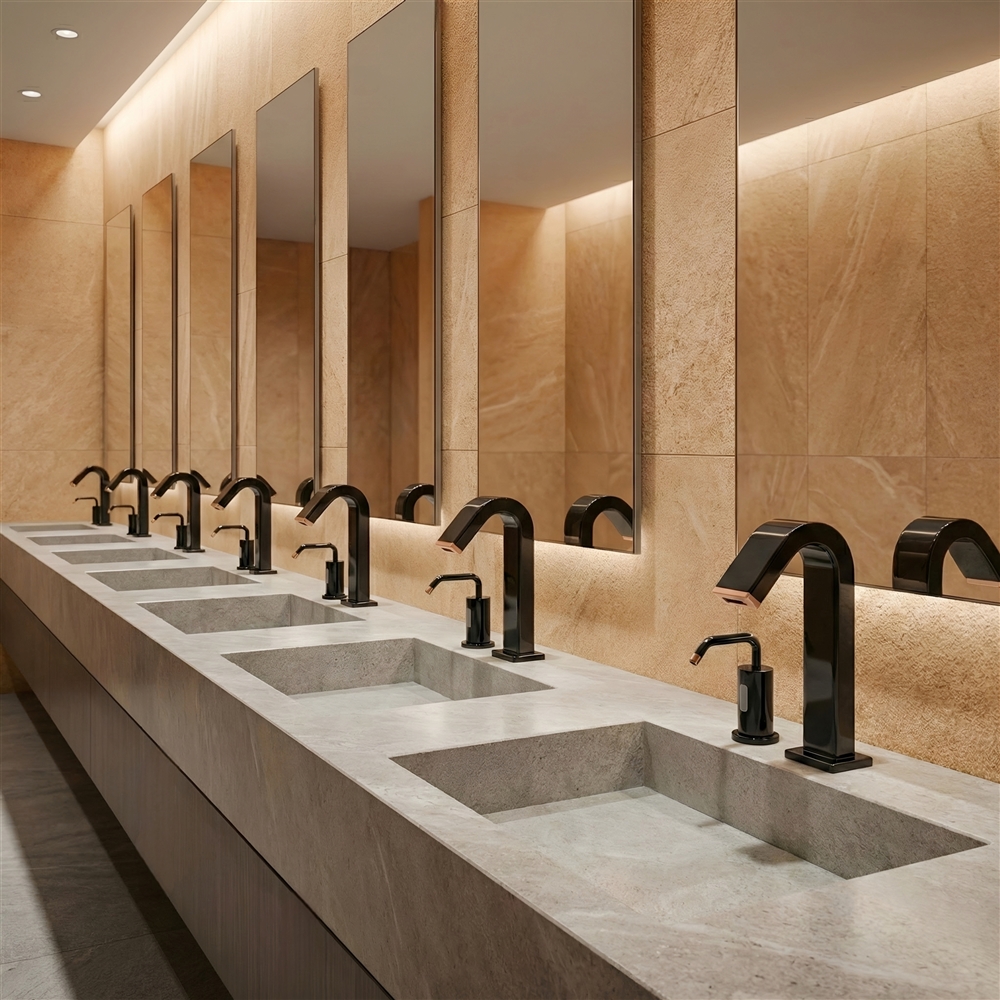
Many commercial brands can provide a compliant touchless faucet. In government and civic settings, though, the strongest solution is the one that performs well over time, simplifies maintenance, supports phased upgrades, and comes with documentation that makes procurement easier.
Fontana stands out because it presents touchless fixtures as a complete system rather than a single product category. That system-based approach matches the real needs of public-sector projects, where long-term reliability, standardization, and planning matter just as much as the fixture itself.